Short i vs Short e Lesson Plan: Pin, Pen and Other Tricky Pairs
- 1st Grade
- Phonics: short i and short e
- 35 minutes
Short i (as in pig) and short e (as in pen) sit very close together in the mouth, and children mix them up in both reading and spelling. For ESL learners the problem is bigger, because many languages have one sound where English has two. This lesson works on hearing the difference first, then reading and writing it.
Children should already be able to read CVC words with a short i. Short e can be new or a review.
Objectives
- Hear the difference between short i and short e in spoken words.
- Read CVC words with i and e accurately, including minimal pairs like pin / pen.
- Spell CVC words with the correct middle vowel.
What you need
- Two signs or cards: one with “i” and a pig picture, one with “e” and a pen picture
- A pin (or a picture of one) and a pen
- Mini whiteboards
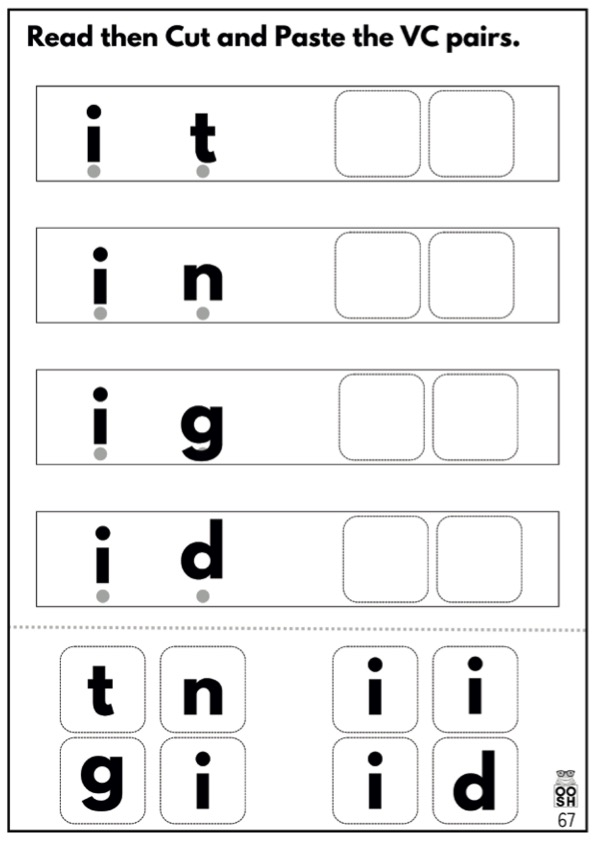
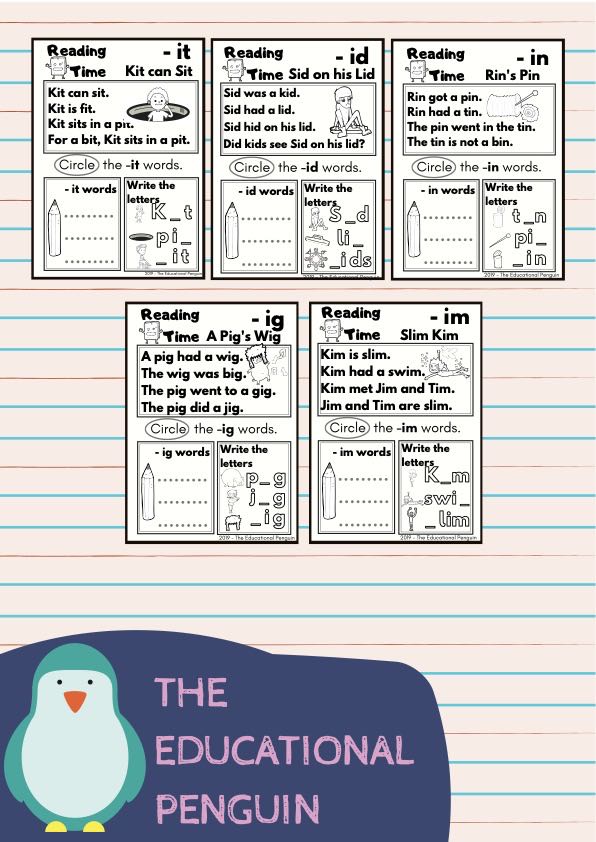
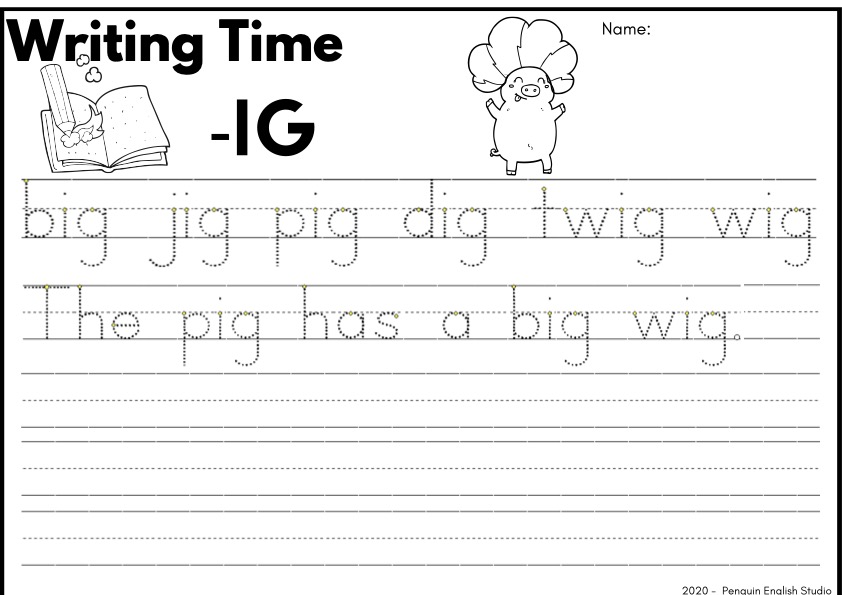
- Optional: short i word family worksheets or decodable passages
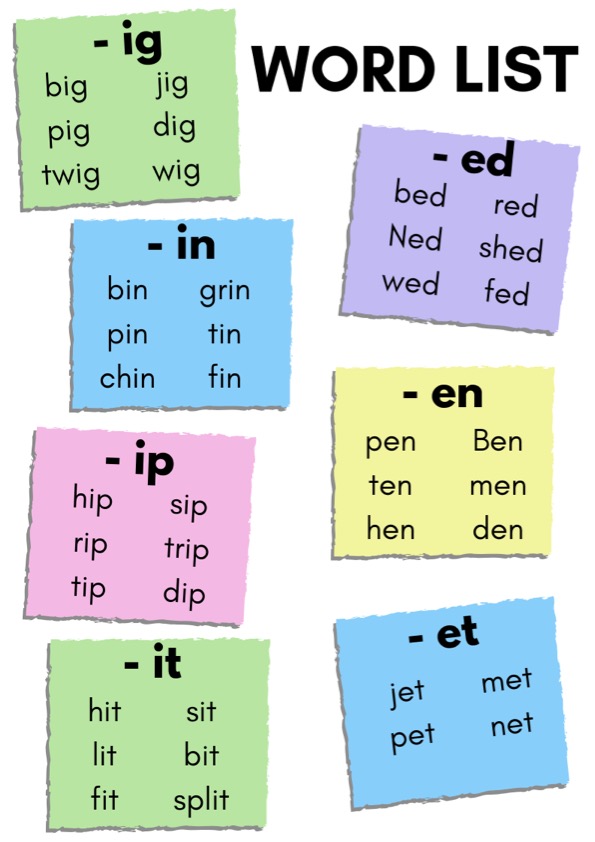
Word lists
- Minimal pairs
- pin / pen, pig / peg, bid / bed, tin / ten, sit / set, big / beg, lid / led, did / Ted
- Short i only
- fish, hit, wig, zip, six, kid, mix
- Short e only
- red, net, jet, wet, hen, vet, web
The lesson, step by step
1. Warm-up: mouth check (5 min)
Say “i, i, i” (short i) and “e, e, e” (short e) and have children copy you. Ask them to notice their mouths: for short i the mouth is narrower and the lips spread a little, as if smiling. For short e the jaw drops slightly. Hold up a mirror if you have one, or let them feel their jaw with a hand.
Give each sound an action. Short i: wiggle a finger like a little worm (“i is for itchy”). Short e: tap an imaginary egg. The actions help in the listening game later.
2. Listen and point (8 min)
Stick the i and e signs on opposite walls. Say a word, stretching the vowel a little, and children point to the sign (or do the action) for the sound they hear. Start with words that aren’t pairs: fish, red, six, hen, wig, web. Then move to minimal pairs: pin, pen, tin, ten, sit, set.
If many children point the wrong way on a word, say it twice more and contrast it with its partner: “pin… pen. Which one is this? pin.”
3. Real objects (4 min)
Hold up the pin and the pen. Ask “Which is the pin?” and “Which is the pen?” Then hide them behind your back and say one word; the class guesses which hand it’s in. This makes the meaning difference obvious: one vowel changes the whole word.
4. Read the pairs (8 min)
Write the minimal pairs in two columns on the board, i words on the left and e words on the right. Read across each row together: “pig, peg. bid, bed.” Then point to words at random and have individuals read them.
Ask children what is different between the two words in a row. You want them to say it’s only the middle letter. Circle the vowel in each word.
5. Change the vowel (6 min)
Children write “pin” on their whiteboards. Say: “Change one letter to make pen.” Then “ten” to “tin”, “bed” to “bid”, “set” to “sit”. After each one, they hold up their board and read the word aloud.
For a challenge, dictate a word without a pair, like “fish” or “web”, and children write it and tell you which vowel it has.
6. Sentence check (4 min)
Write a sentence with a deliberate vowel mistake: “The hen sat on a red pig.” (should be “peg”). Children find the wrong word and fix it. Do two or three of these: “I hid in my bid.” (bed) “Ben has a big pen.” (correct, so they have to say so).
Support and challenge
- If the listening game is too hard, use only one minimal pair (pin / pen) and real objects until children are confident.
- Strong readers can write their own silly sentence that uses one word from a pair, then read it to a partner who checks the vowel.
Tips for ESL and EFL classes
- Japanese has one “i” sound and one “e” sound, both closer to the long vowels in English. Children may hear short i as “ee” (piig) and short e as a pure “eh”. Accept approximate pronunciation, but keep the two sounds clearly different in your own model.
- Spelling is often the bigger problem: a child might hear correctly but write “pen” for “pin”. Have them say the word slowly before writing, every time.
How to check learning
- In the listening game, can the child point correctly on at least four out of five minimal pairs?
- Can they read a mixed list of eight i and e words with no more than one vowel error?
- When writing, do they say the word aloud first and choose the right vowel?
What to teach next
Use five minutes of the next lesson for a quick listen-and-point with new pairs (fin / fen, lit / let). Add short a later so children are choosing between three vowels.
Printables for this lesson
Optional. These Ribbit Pond worksheets match the lesson if you’d rather not make your own.